




The Making of Basketball Retro
From a Blender file to a browser game — how it all came together.
The Vision
It started with a simple thought — what if there was a basketball game you could just open and play? No app stores, no sign-ups, no downloads. Just pure arcade hoops in the browser. The goal was to capture that nostalgic feeling of retro basketball arcade machines, but make it accessible to anyone, anywhere, on any device.

Modeling in Blender
Before writing a single line of code, the visual identity was crafted in Blender. The basketball, the hoop, the court — every element was modeled in 3D to establish the retro aesthetic. This step was about finding the right balance between low-poly charm and visual clarity. The models needed to translate well into 2D sprites for the Canvas game.
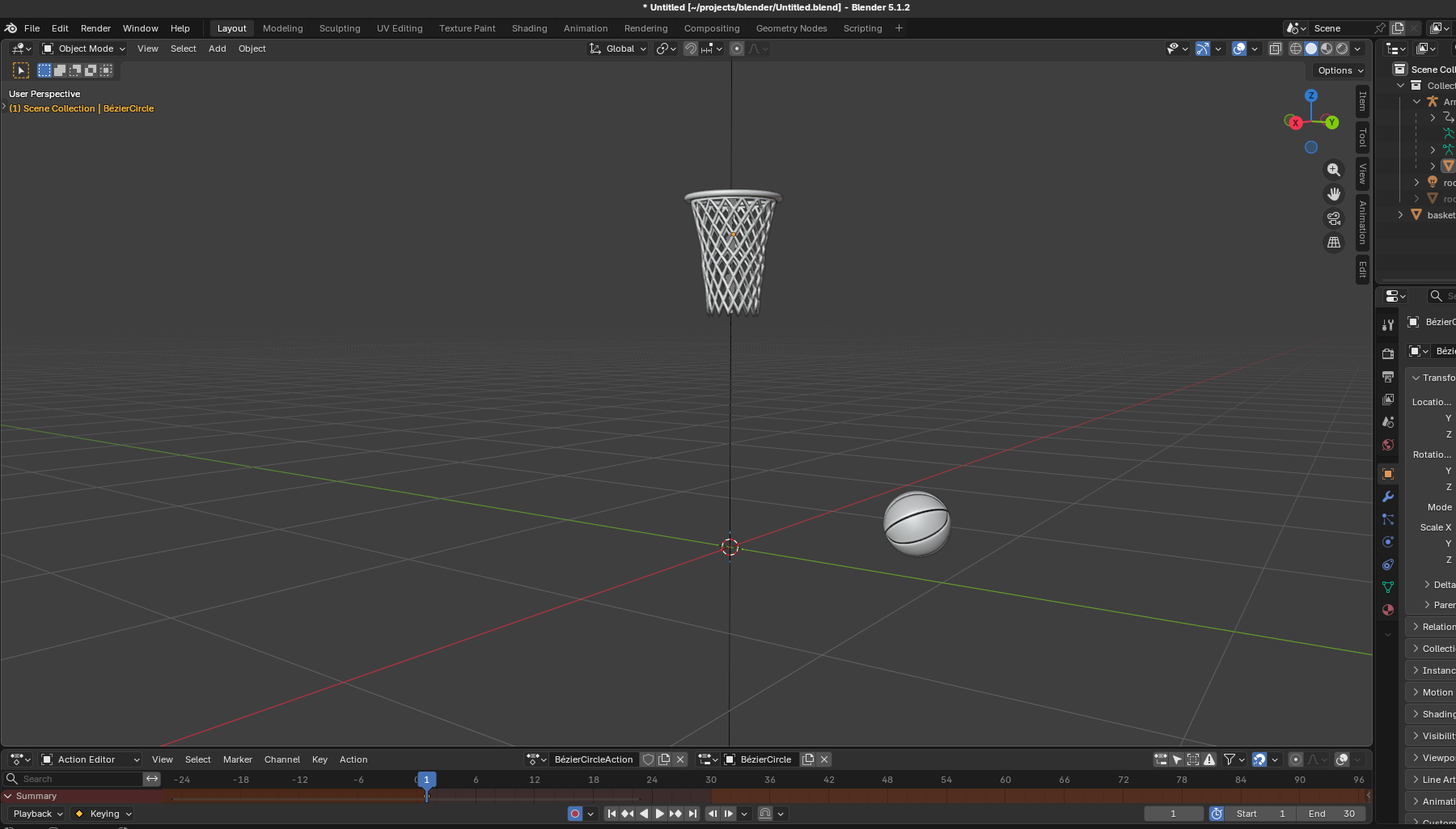
Shaping the Court
With the core models in place, the focus shifted to building out the full court scene. Multiple camera angles were explored to find the perspective that felt most like a classic arcade basketball machine. Custom shaders were developed in Blender's shader editor to create that distinctive vintage feel — warm tones, soft edges, and a slight grain that evoked the look of old arcade cabinets without sacrificing visual appeal.
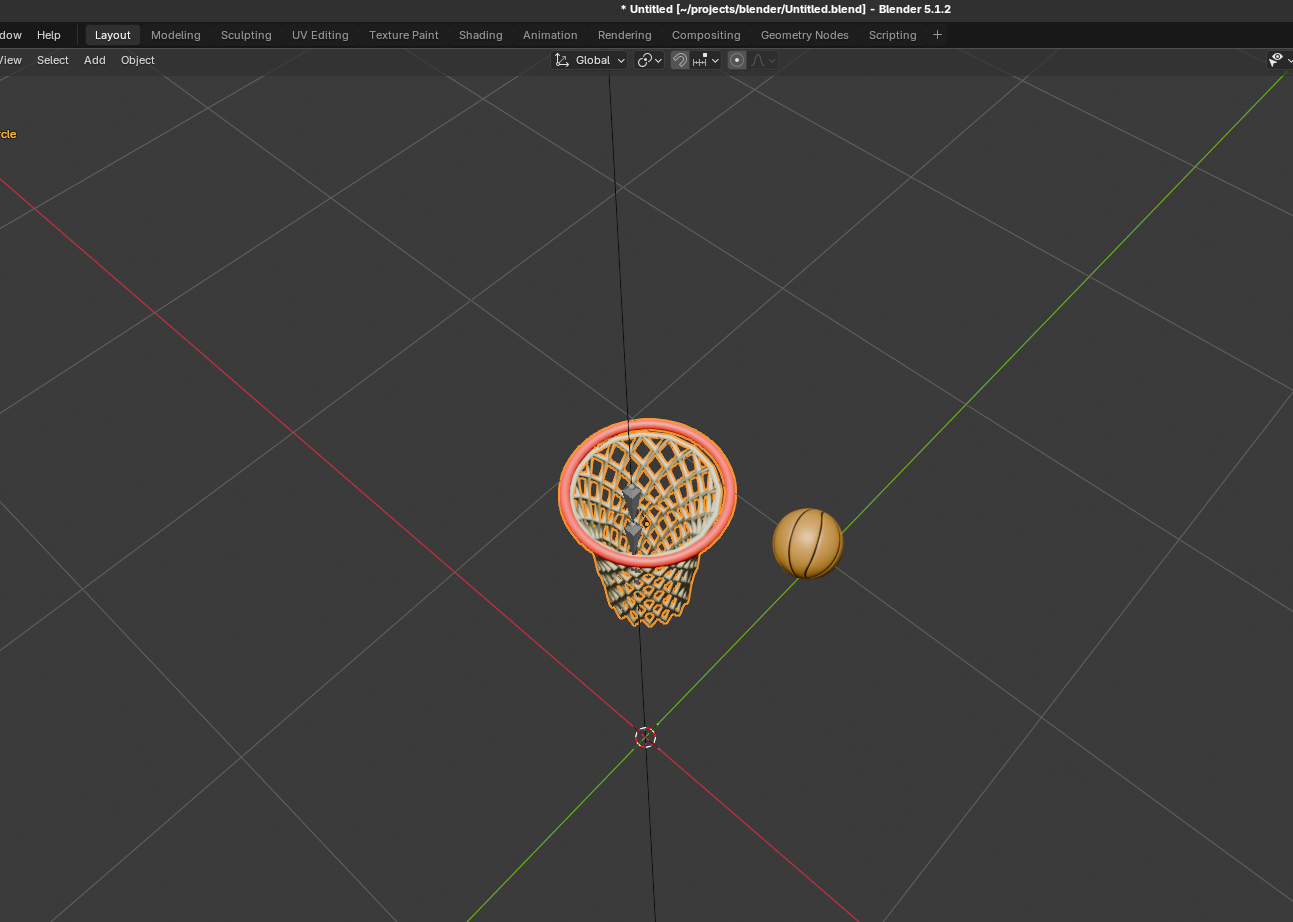
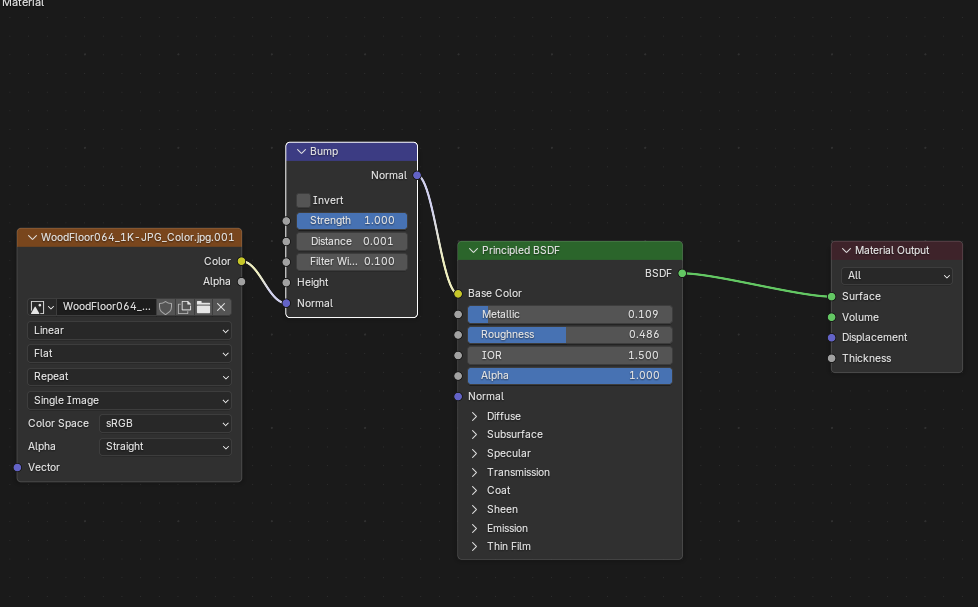
Animation & Weight Painting
A game needs movement. Weight painting in Blender brought the models to life — the basketball's bounce, the net's sway, the rim's subtle recoil on a made shot. Each animation was carefully tuned to feel satisfying. The physics of a perfect swish versus a brick off the rim needed to feel just right.
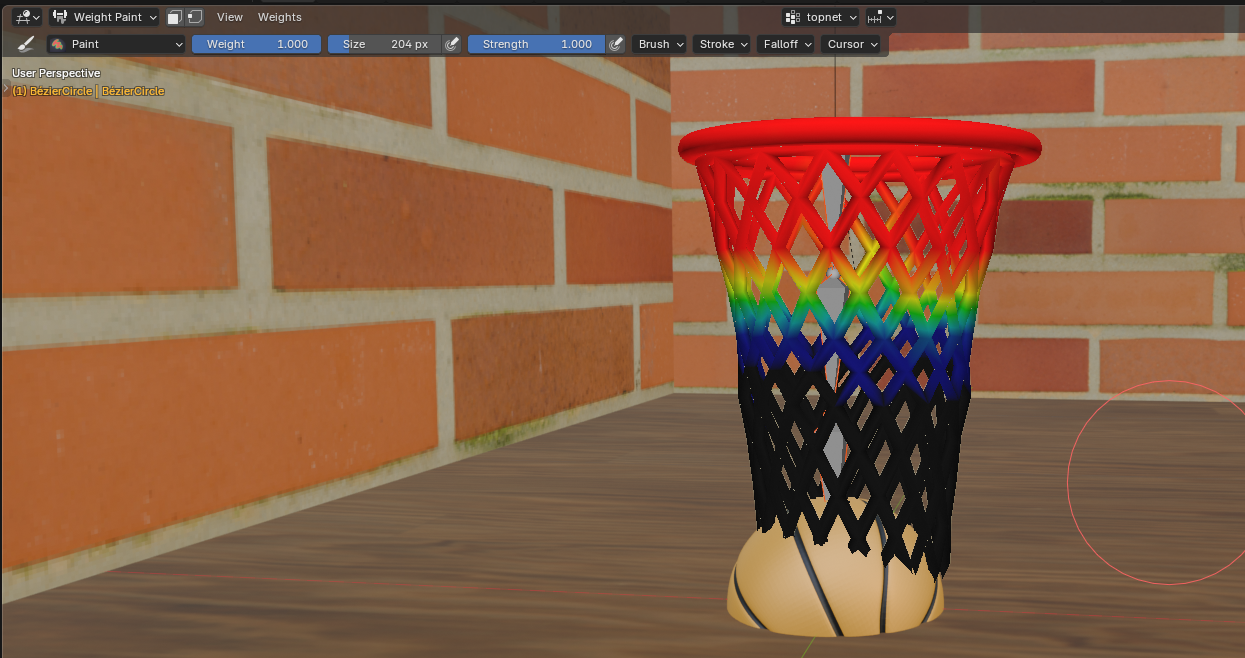
Process in Motion
A quick glimpse into the continuous Blender workflow — modeling, shading, and animating the basketball assets before preparing them for the browser canvas.
From 3D Renders to Browser Canvas
The final step was translating everything into lightweight WebGL and Canvas code. The 3D renders became optimized sprites, animations became frame-by-frame game logic, and physics equations took over the interactions. The result is a seamless arcade experience loading in under 1.2 seconds across web viewports.